
Introduction to the I Ching: Ancient Wisdom for Modern Times
The I Ching (已经, Yi Jing), also known as the Book of Changes, is one of the oldest and most profound systems of divination in the world. With roots tracing back over 3,000 years in ancient China, the I Ching continues to offer timeless guidance for those seeking clarity, personal growth, and alignment with the natural flow of life. In this introduction, we'll explore the origins of the I Ching, its core principles, and how it remains relevant in today's fast-paced world.
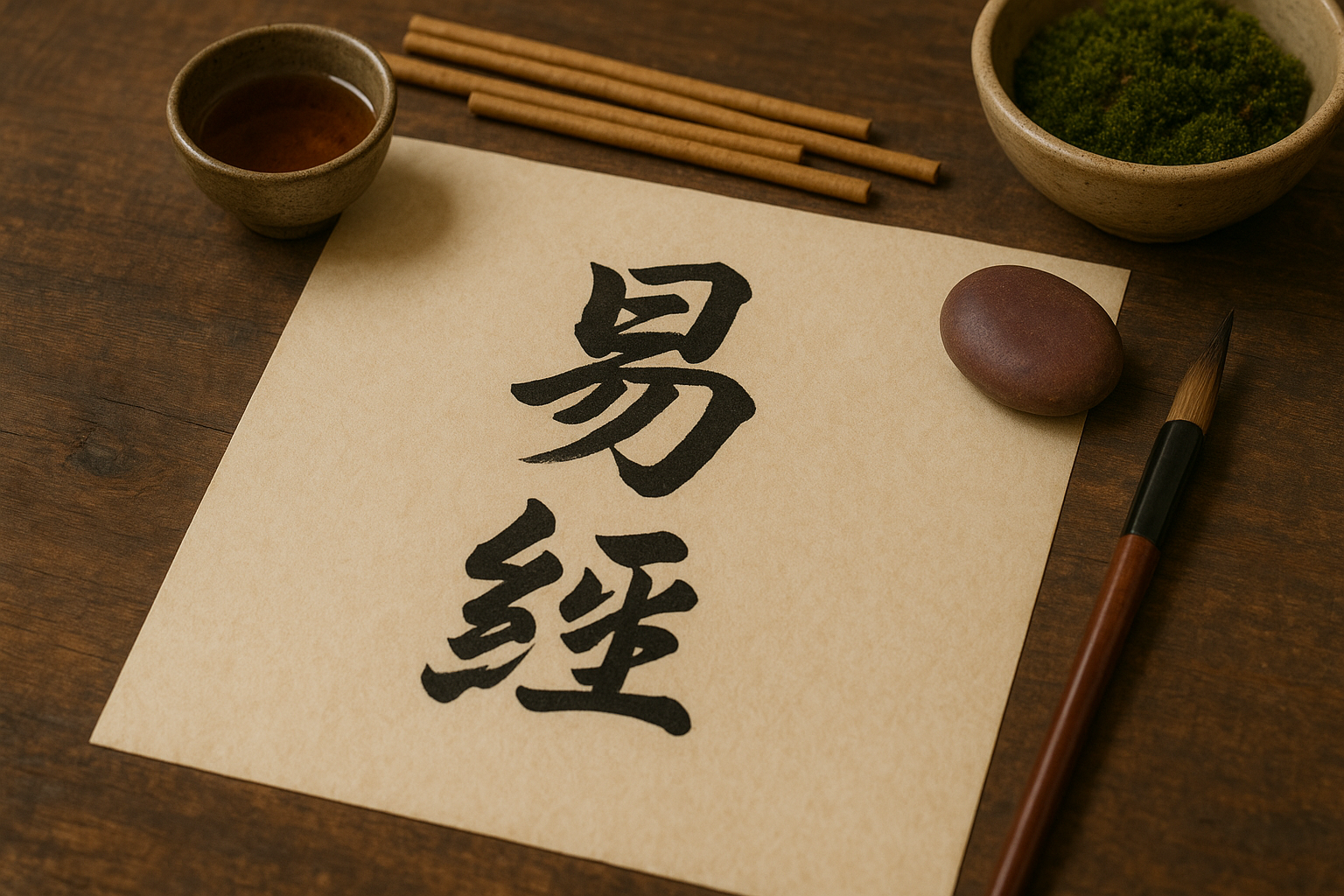
What Is the I Ching?
At its heart, the I Ching is a philosophical and divinatory text that helps individuals make decisions and navigate life's uncertainties. Unlike predictive fortune-telling methods, the I Ching emphasizes dynamic change and inner wisdom, encouraging reflection rather than offering fixed answers.
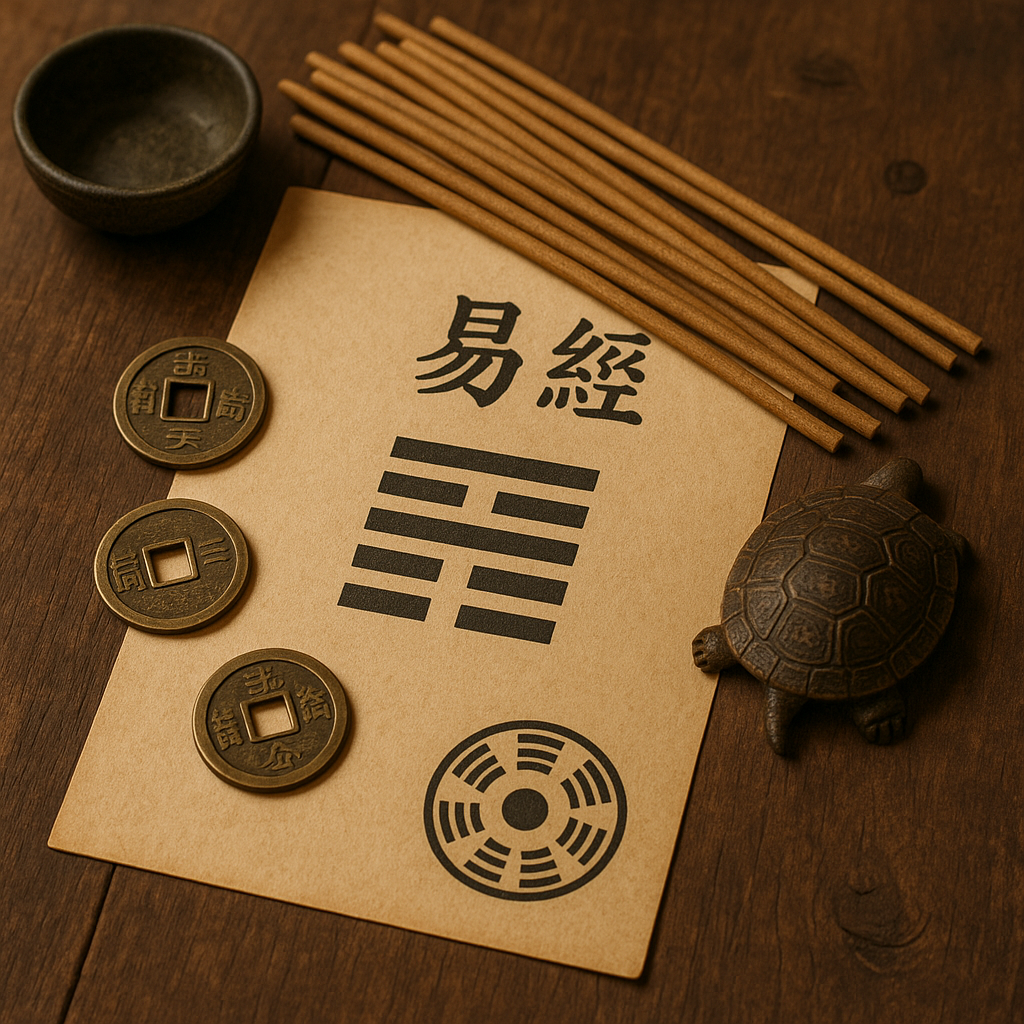
The I Ching is composed of 64 hexagrams - six-line figures made up of solid (yang) and broken (yin) lines. Each hexagram represents a specific situation or principle, offering symbolic insight into a current challenge or question. Users consult the I Ching by generating a hexagram, traditionally through methods such as casting yarrow stalks or tossing coins, and then interpreting the result.
A Brief History of the I Ching
The origins of the I Ching date back to the Western Zhou dynasty (c. 1046 - 771 BCE), though its philosophical roots are believed to be even older. It was originally a manual for royal decision-making and governance, used by rulers to align their actions with cosmic forces.
Throughout centuries, influential Chinese thinkers such as Confucius and Laozi expanded on the I Ching, embedding its concepts into Confucianism and Daoism. This dual heritage makes the I Ching not only a tool for divination but also a foundational text in Chinese philosophy.
The Philosophy Behind the I Ching
The I Ching is grounded in the concept of change as the only constant in life. It reflects the balance between yin and yang - the dual forces that govern the universe - and how their interactions give rise to all phenomena.
Each hexagram in the I Ching illustrates a moment within this ongoing transformation. By contemplating the meanings of the hexagrams and their changing lines, users gain insight into:
- Personal dilemmas
- Relationship dynamics
- Career decisions
- Life direction and timing
Instead of predicting a fixed future, the I Ching offers a mirror for self-awareness, guiding you toward choices that harmonize with the natural flow of events.
Why the I Ching Still Matters Today
In a world full of noise, instant answers, and digital distractions, the I Ching offers a quiet, reflective space for inner clarity. Whether you're facing a crossroads in life or simply seeking spiritual insight, the I Ching remains a valuable companion.
Its timeless relevance appeals to a wide range of seekers: from mindfulness practitioners and philosophers to creatives and entrepreneurs. The I Ching encourages you to pause, reflect, and respond to life with wisdom.
Ready to explore the I Ching? In upcoming posts, we’ll dive deeper into the meanings of the hexagrams, how to consult the I Ching, and how to interpret its guidance in your everyday life.
Stay tuned for your journey into ancient wisdom!
🌙 Explore More with The Mystic Currents 🌙
If you enjoy our articles on astrology, tarot, and the I Ching, you’ll love our monthly zodiac guides. Each edition of The Mystic Currents includes:
🔮 Daily horoscopes
🃏 Tarot interpretations
📜 I Ching hexagrams
🌌 Moon phases, aspect tables & sky charts
Available as PDF downloads for each zodiac sign – or as a full 12-sign bundle.
👉 Get your copy on Gumroad and bring cosmic guidance into your everyday life.
Comments
No comments yet. Be the first to share your thoughts!